

Is your gut quietly asking for help? Learn to listen before it screams.
You don’t need to be doubled over with pain or rushing to the bathroom to have a digestive issue.
Most gut problems don’t show up suddenly - they build up silently over weeks or even years.
Your body tries to cope, compensate, and adapt... until it can’t anymore.
If you've been feeling “off” lately - low energy, skin issues, brain fog, or unexplained bloating - your gut might be overwhelmed.
Let’s break down what that means, how to spot the subtle signs, and what you can do today to bring your digestion back into balance.
Short on time?
Scroll to the end for a TL;DR summary - but read through if you want to understand why your gut is central to your health.

First: Why the Gut Is Way More Than Just Digestion
Your gut isn’t just a food processing unit.
It’s home to:
- 70–80% of your immune system
- Over 500 million neurons (your “second brain”)
- 100 trillion+ microbes that affect mood, metabolism, skin, and hormones
When your gut is inflamed, sluggish, or overloaded, it affects your whole system.
Which is why gut imbalances often show up in surprising ways.
Signs Your Digestive System Is Overwhelmed (Even If You Don’t Have Obvious Stomach Issues)

1. Bloating That Won’t Go Away
It’s normal to feel full after a large meal. But if you’re regularly bloated after eating normal portions, especially with gas, discomfort, or burping - that’s a red flag.
Possible reasons:
Poor chewing or rushed meals
Low stomach acid
Imbalanced gut bacteria (SIBO, candida)
Food intolerances
Constipation backup
2. Fatigue After Eating
If you feel sluggish, foggy, or like you need a nap after meals, your digestion may be taking up too much energy - leaving little for anything else.
This can mean:
Your blood sugar is spiking and crashing
You're not breaking food down well
You're not absorbing nutrients efficiently


3. Constipation or Irregular Bowel Movements
Not pooping daily is not normal - even if it’s your usual pattern.
Your gut clears out toxins, excess hormones, and waste through elimination. If that’s backed up, your entire system is holding on to what should’ve been released.
Watch for:
Alternating with loose stools
Hard stools
Straining
Feeling incomplete after going
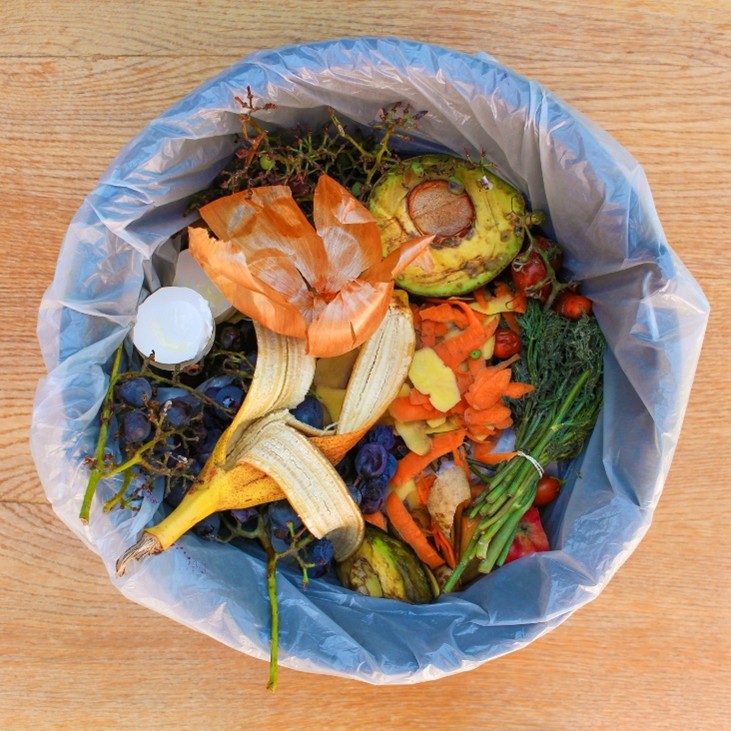
4. Undigested Food in Stools
If you regularly see chunks of food (like vegetables, grains, or nuts) in your stool, it means your body isn't breaking food down fully - and that means you’re not absorbing nutrients either.
This may signal:
Weak digestive fire (low agni in Ayurvedic terms)
Enzyme deficiency
Rushed eating (not chewing enough)

5. Skin Breakouts, Eczema, or Rashes
Your skin is an elimination organ. When your gut can’t cope, toxins often show up on your skin.
Common links:
Flare-ups after certain foods
Acne around the jaw or cheeks
Red, itchy patches on arms, thighs, or neck
6. Bad Breath or Coated Tongue
Poor digestion can lead to an overgrowth of bad bacteria, which causes halitosis (chronic bad breath) and a white/yellow tongue coating - classic signs of internal toxin build-up (known as ama in Ayurveda).


7. Food Cravings or Aversions
Craving sugar or salty snacks constantly? Feeling aversion to fresh foods like fruits or veggies?
These patterns often reflect imbalanced gut bacteria or low nutrient absorption, triggering your body to keep asking for quick-fix calories.
8. Brain Fog or Mood Swings
The gut and brain are tightly connected via the gut-brain axis. When your gut is inflamed, you may feel:
- Foggy, forgetful
- Anxious or irritable
- Flat or unmotivated
Up to 90% of serotonin (your feel-good hormone) is made in the gut - which means digestion affects your mental clarity too.

What’s Overwhelming Your Gut?
Your digestive system is incredibly resilient - but it can get overloaded by:
- Eating too fast or while distracted
- Ultra-processed foods with hidden additives and emulsifiers
- Inadequate chewing (digestion starts in the mouth!)
- Constant snacking (no break to clean up and reset)
- Chronic stress (puts digestion on pause)
- Antibiotic or medication overuse
- Sleep deprivation
- Too much cold/raw food that slows digestive fire
How to Support a Stressed Gut
You don’t need a 10-day detox. You need daily, gentle habits that lighten your digestive load.
Try This Gut Reset Starter Kit:
- Eat in peace. Sit down, chew slowly, and avoid screens during meals.
- Start your day with warm water (add lemon or jeera if needed).
- Stop grazing - space meals 3–4 hours apart to allow full digestion.
- Add fermented foods like fresh curd, chaas, or kanji.
- Limit raw/cold foods - opt for warm, lightly cooked meals.
- Cut back on processed snacks, sugar, and refined oils.
- Take 10 deep belly breaths before meals - calm = better digestion.
- Observe your stool, skin, and mood - they are your gut’s messengers.
TL;DR - Is Your Gut Overwhelmed?
Common signs:
- Bloating, fatigue, irregular bowels
- Breakouts, bad breath, foggy mind
- Food cravings and undigested food in stool
Root causes:
- Poor food breakdown
- Gut flora imbalance
- Toxin overload and stress

What helps:
- Slow, mindful eating
- Warm, clean meals
- Time between meals
- Gut-friendly habits over time - not extreme fixes
Want to rebuild your gut from the inside out?
At Energize.fit, we help you identify your body's unique patterns - and guide you with real-life tools to improve digestion, energy, and clarity.
Email / Call us or visit to get personalized guidance. hello@energize.fit | + 91 74118 68689
Serving fresh insights daily. Come join us on Instagram.