
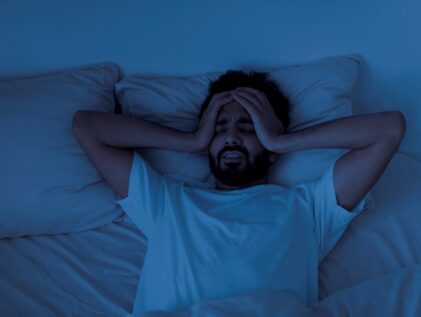
Why poor sleep could be accelerating your body’s aging and how to reverse the damage
You’ve heard that sleep is important.
But did you know that poor sleep doesn’t just leave you tired, it can actually age your body faster?
We’re not just talking about dark circles or cranky mornings.
Sleep deprivation affects your cellular health, metabolism, hormones, immunity, and brain function — all of which contribute to how fast (or slow) your body ages.
If you’re someone who:
- Struggles to fall or stay asleep
- Sleeps 7–8 hours but wakes up tired
- Finds it hard to focus, recover, or feel rested
Then this blog is for you.
🕒 In a rush?
We’ve added a TL;DR summary at the end, but if you want to know how sleep repairs you from the inside out, read on.

What Does “Aging Faster” Even Mean?
Biological aging is more than just wrinkles or grey hair.
It refers to the internal wear and tear happening at the cellular level, including:
- Shortening of telomeres (protective caps on your DNA)
- Inflammation that damages tissues
- Oxidative stress that breaks down cells
- Hormonal decline that affects energy, skin, mood, and immunity
Poor sleep accelerates all of the above.

How Sleep Affects Aging: The Deep Dive
1. Sleep Is When Your Body Repairs Itself
During deep sleep, your body:
- Repairs tissues and muscles
- Produces growth hormone
- Clears waste from the brain
- Regenerates skin and blood cells
Without this “repair mode,” your body struggles to recover from daily stress, toxins, workouts, or even food.
Chronic sleep deprivation = chronic damage accumulation.
2. Lack of Sleep Increases Cellular Aging
Studies show that short sleep duration is linked to shorter telomeres, especially in older adults.
Telomeres act like protective caps at the ends of your chromosomes- the shorter they get, the faster your cells age.
This leads to:
- Slower healing
- Weakened immunity
- Early onset of age-related diseases (like diabetes, Alzheimer’s, heart disease)
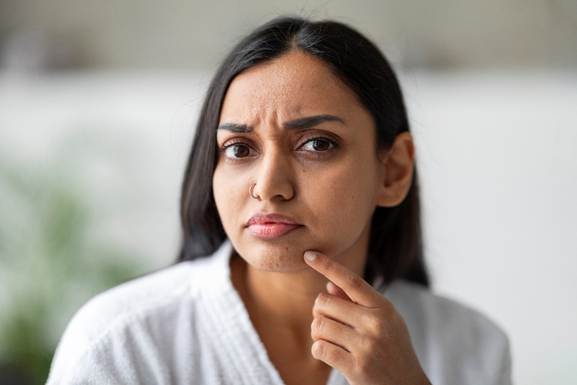
3. Your Skin Pays the Price Too
Skin is your body’s largest organ — and sleep is its best anti-aging tool.
Poor sleep affects:
- Collagen production (leads to fine lines & sagging)
- Hydration balance (dull, tired-looking skin)
- Blood flow to the face (reduced glow and healing)
Even one night of poor sleep can make you look visibly older.
4. Sleep Keeps Hormones in Check
A well-rested body produces optimal levels of:
- Melatonin (regulates circadian rhythm and has anti-aging antioxidant effects)
- Cortisol (stress hormone that should be low at night)
- Leptin and ghrelin (regulate hunger and metabolism)
- Testosterone and estrogen (vital for muscle tone, bone density, libido, and mood)
Sleep imbalances mess with this delicate orchestra — speeding up weight gain, hair thinning, mood swings, and bone loss.
5. Poor Sleep = More Inflammation = Faster Aging
Even mild sleep loss increases C-reactive protein (CRP) and other inflammation markers.
Inflammation is a root cause of heart disease, insulin resistance, brain fog, and autoimmune issues.
Chronic inflammation silently damages cells and tissues — aging you from within.
“But I Sleep 7 Hours — Why Am I Still Tired?”
Great question. Sleep duration is only one part.
Sleep quality matters more — how deeply and restfully you sleep, and whether your body completes its natural sleep cycles.
Common disruptors of quality sleep:
- Late caffeine or heavy meals
- Scrolling or blue light exposure at night
- Stress, anxiety, or overthinking
- No wind-down routine
- Too much light, noise, or heat in your bedroom
- Alcohol or sugar before bed
The Good News: Sleep Aging Is Reversible
Your body is incredibly intelligent. With a few changes, you can start repairing the damage — and feeling younger, stronger, more focused again.

Here’s how:
Simple Habits to Sleep Better — and Age Slower
1. Anchor Your Sleep with a Fixed Wake-up Time
Even on weekends. This stabilizes your circadian rhythm (your body’s internal clock) and improves hormonal balance.
Start with a fixed wake-up time. Your sleep will follow.
2. Power Down 60 Minutes Before Bed
Cut screen time. Dim the lights. Do something analog:
- Journaling
- Reading a physical book
- Gentle stretching
- Gratitude practice
This signals your brain to shift into “night mode.”
3. Keep Your Room Cool, Dark, and Quiet
Ideal sleep temperature: 18–21°C
Block out light with curtains or a sleep mask.
Use earplugs, a fan, or white noise if needed.
Melatonin- your sleep hormone is triggered by darkness and suppressed by artificial light.
4. Eat Lighter at Night
Heavy meals late at night = poor digestion = fragmented sleep.
Finish dinner at least 2–3 hours before bed. Avoid caffeine after 2 PM.
5. Move During the Day, Calm at Night
Exercise helps you sleep — but avoid intense workouts late in the evening.
Gentle yoga, walking, or mobility work in the evening is great.
6. Consider a Wind-Down Ritual
Your body loves rhythm. Create one:
- Herbal tea
- Foot massage
- Warm bath
- Light music
- Journaling 3 things you’re grateful for
TL;DR : Why Sleep Quality Matters for Aging
- Poor sleep = faster cell aging, hormonal chaos, and inflammation
- Good sleep = natural anti-aging, better mood, sharper focus, glowing skin
- Quality > quantity. Sleep should restore, not just rest.
- You can’t biohack your way around sleep — but you can support it with simple daily habits.

Ready to Reclaim Restorative Sleep?
At Energize.fit, we help you build real habits, not just give sleep advice.
Whether it's a noisy mind, poor bedtime routine, or hormonal disruption — we coach you through it.
Email / Call us or visit http://www.energize.fit/to get personalized guidance.
hello@energize.fit | + 91 74118 68689
Serving fresh insights daily. Come join us on Instagram.