
BLOG
Ideas to energize your life.
Short, useful, editorial essays on adaptive wellness — nutrition, movement, sleep, stress, and the philosophy behind real-life routines.
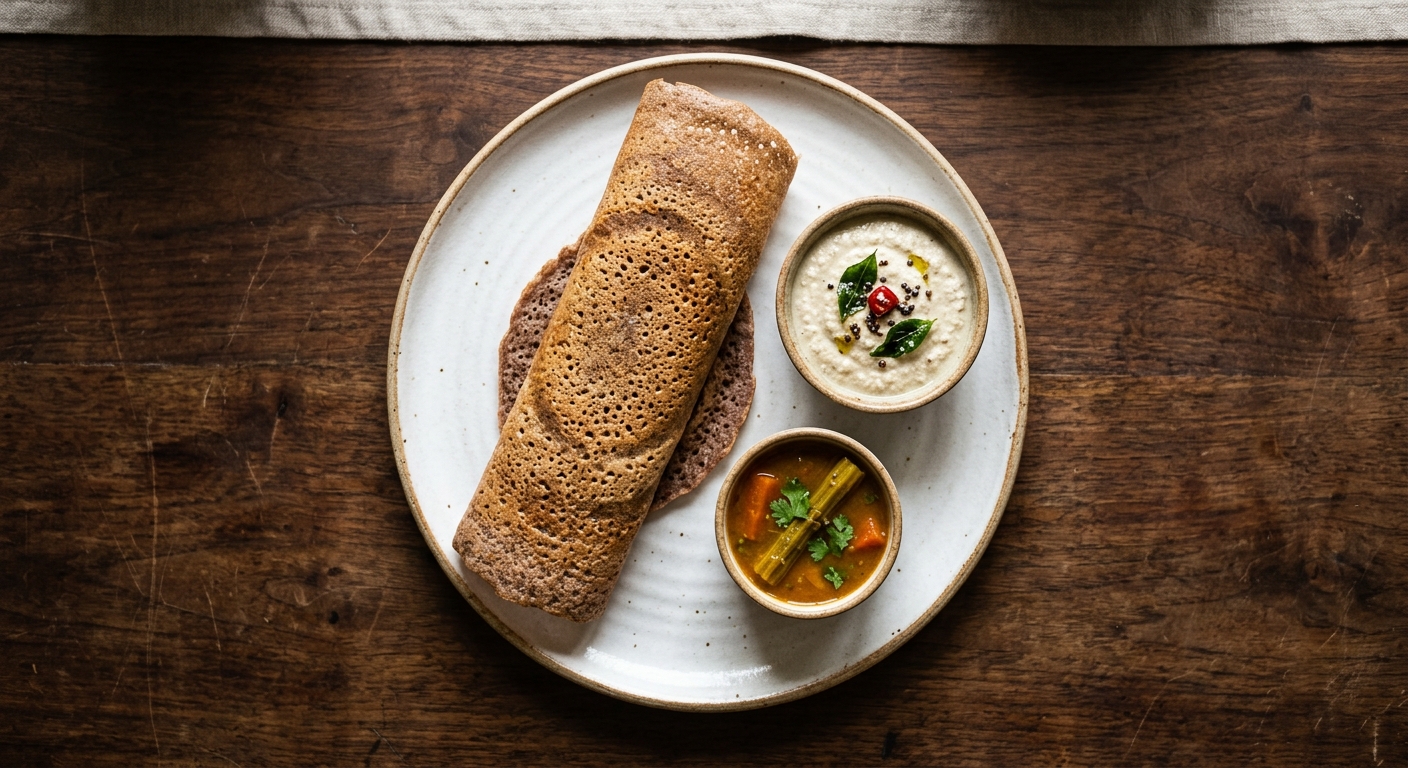
PCOS Diet Plan for Indian Women: The Complete Guide with Free 7-Day Meal Plan
Struggling with PCOS on an Indian diet? A complete clinically-grounded guide for Indian kitchens — roti, dal, sabzi — with a free 7-day meal plan, foods to avoid, micronutrient gap guidance, and the exact pairings that unlock iron absorption.

Why I Built Energize.fit
For years, I watched people fail wellness plans that looked perfect on paper. Not because they lacked discipline — but because real life kept changing, and the plans never adapted with them.

Wellness Isn't Static
Your energy changes. Your stress changes. Your sleep changes. Your appetite changes. Yet many wellness systems still behave as if people are supposed to operate exactly the same every day.

Why Wellness Should Adapt to Your Life
For years, wellness culture has expected people to adapt to systems. But most people are not failing because they lack effort — they're failing because life is dynamic while many wellness systems remain rigid.

What My PG Diploma in Nutrition & Dietetics Taught Me About Real Wellness
Real wellness is rarely about perfection. It's about behaviour, consistency, sustainability, and context.

Why Most Meal Plans Fail After 2 Weeks
Most meal plans don't fail because people are lazy. They fail because life changes faster than the plan does.

Sleep Affects Food Decisions More Than People Realize
After a bad night of sleep, the body often craves more sugar, more processed food, more caffeine. This isn't simply about "lack of discipline." It's biology.

Why Stress Changes Appetite and Recovery
Stress changes far more than mood. It changes appetite, energy, recovery, sleep, movement, decision-making. And many people underestimate how deeply stress affects wellness behaviour.

What Real Personalisation Actually Means
Personalisation has become one of the most overused words in wellness. But real personalisation goes much deeper than calculating calories or asking for your weight.

The Problem With Rigid Fitness Apps
Many fitness apps are built around perfection. Perfect streaks. Perfect tracking. Perfect consistency. But real life rarely works that way.

Why Sustainable Wellness Beats Aggressive Transformation
Aggressive transformation gets attention. But sustainable wellness usually works differently. Most people don't struggle because they lack motivation — they struggle because extreme systems are difficult to maintain once real life returns.

The Four Pillars of Energized Living
Real health is a system, not a tactic. The four pillars Energize.fit is built on.

The Plate Method: Eating for Energy Without Counting Calories
A visual framework I use with every client. No calculators, no guilt, no all-or-nothing thinking.

Sleep Is the Legal Performance Drug You're Ignoring
You cannot out-train bad sleep. The cheapest, most under-used performance upgrade in your life.

The 2-Minute Stress Reset Anyone Can Do
Stress does not always arrive dramatically. A two-minute reset that interrupts the loop before it runs your next decision.

Why Strength Training Matters More After 35
By your mid-30s, your body starts sending a quiet message most people ignore: what you don't use, you begin to lose.

How to Actually Read Your Blood Report
Your lab report is a decision-making tool, not a filing cabinet. Seven markers worth understanding.